AWS Puts Strands Agents and Bedrock AgentCore at the Center of Its Agentic AI Stack
AWS is increasingly pairing open-source Strands Agents with managed Amazon Bedrock AgentCore in official customer stories and FAQs, signaling a tighter agentic AI stack for local development and governed cloud execution.
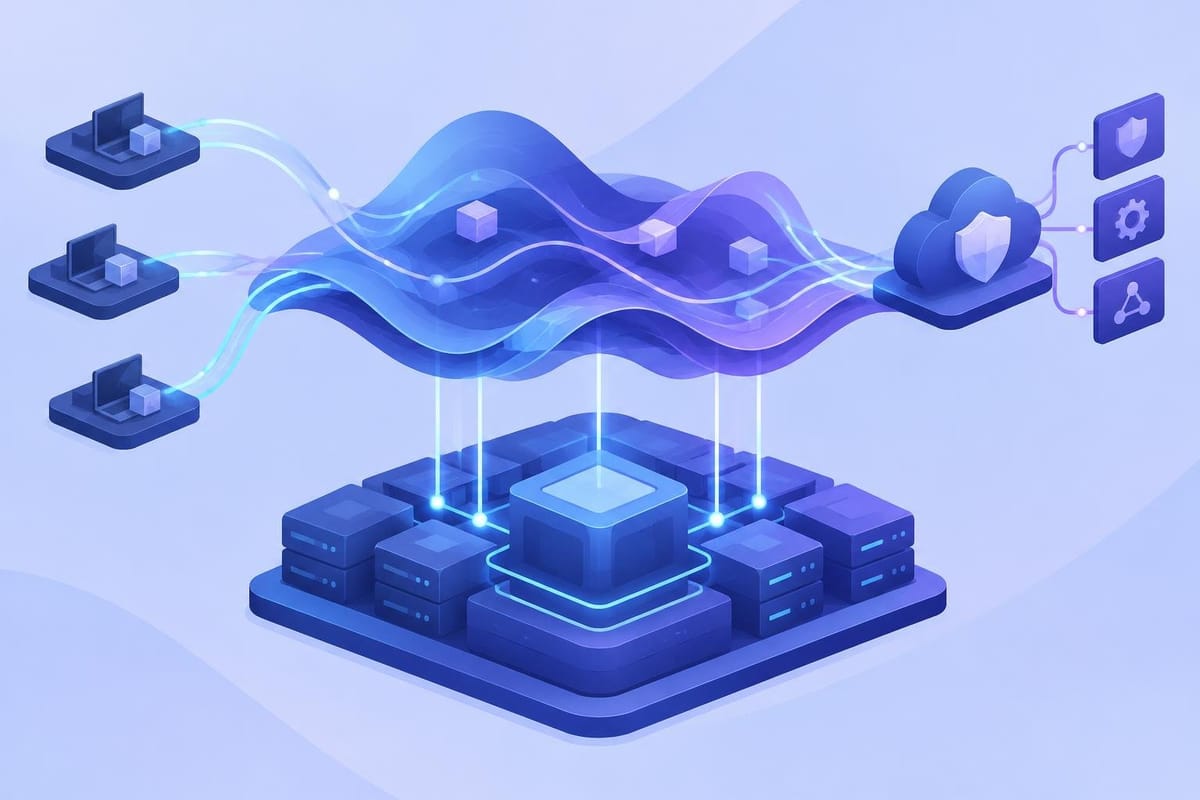
AWS is leaning harder into a two-track agent strategy: an open-source framework in Strands Agents and a managed runtime in Amazon Bedrock AgentCore. The company’s latest official posts and product pages frame that combination as a way to build, govern, and run agents across local development and AWS infrastructure, rather than forcing teams into a single managed-only path.
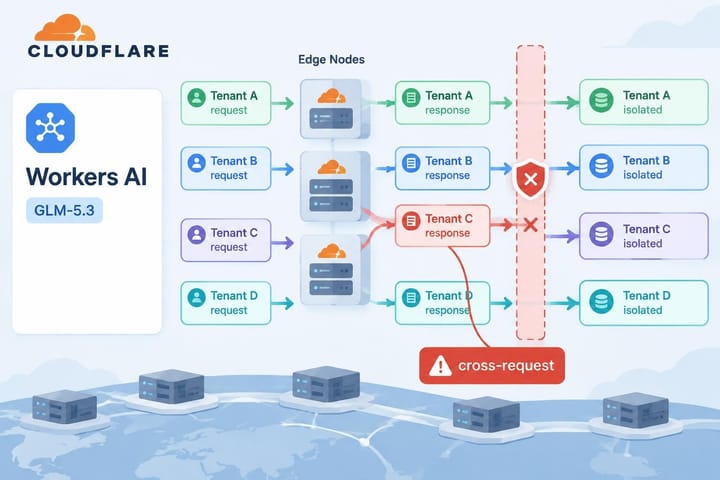
AWS’s public materials now repeatedly pair Strands with Bedrock in customer stories and technical walkthroughs. In one example, Octave says it used Amazon Bedrock AgentCore for isolated agent execution in a multi-tenant environment, alongside Cohere Embed v4 for embeddings, to power a complaint triage assistant that searches 2 billion regulated documents without crossing tenant boundaries, according to AWS’s write-up and AWS’s Bedrock AgentCore FAQ page. In another, Eon says it replaced per-tool credentials and local MCP processes across AWS, Google Cloud, and Azure with a single authenticated Bedrock AgentCore gateway, AWS says, giving more than 100 developers and autonomous agents unified access to production investigation workflows.
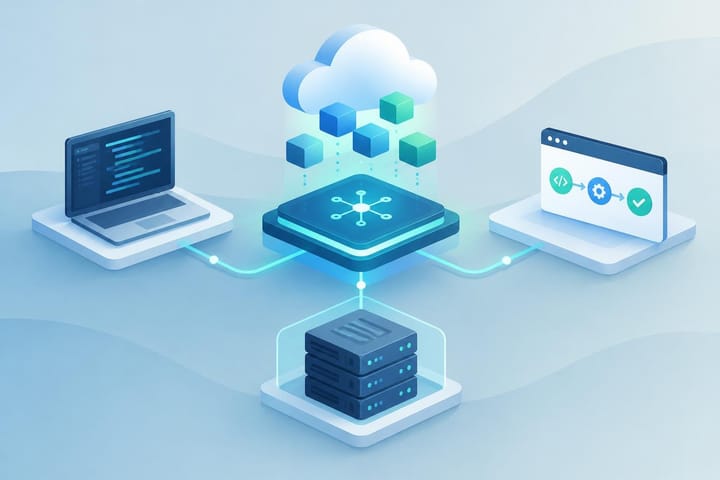
AWS is also positioning Strands as the development-side bridge between local code and cloud-hosted execution. Its own materials describe an adaptive agentic framework built with Strands Agents that handles routine tasks locally with small language models and routes harder requests to cloud models through Amazon Bedrock. A separate AWS post on Rescale says the company used Strands Agents and Amazon Bedrock to build an AI triage agent in weeks.
The clearest takeaway is not that AWS has shipped a brand-new product category, but that it is tightening the packaging: Strands for agent logic and portability, Bedrock AgentCore for managed execution, identity, and governance. AWS’s Bedrock AgentCore FAQs also emphasize that the service is part of the company’s broader pitch to help organizations "build and deploy AI agents" inside AWS.
For buyers, the migration implication is straightforward: if the workflow already uses MCP servers, cloud databases, or mixed local-and-cloud model calls, AWS is trying to make Bedrock AgentCore the control plane and Strands the portable framework above it. That leaves competing stacks with a different pitch. Microsoft is pushing Azure AI Foundry and OpenAI-linked tooling, while Google is centering Vertex AI and Gemini-integrated agent workflows. AWS’s distinction is that it is making open-source agent tooling part of the official story, not just the ecosystem around it.
The limitation is that AWS’s current materials are still mostly customer stories and FAQ-level positioning, not a single formal product announcement spelling out one unified agents platform. That means the stack is real, but the messaging is still assembled from several official pages rather than one clean launch note.
Comments ()