US chip curbs reportedly disrupt consumer-chip supply
Nikkei reports broader chip-export disruption; hardware buyers should check specific orders rather than assume a shortage.
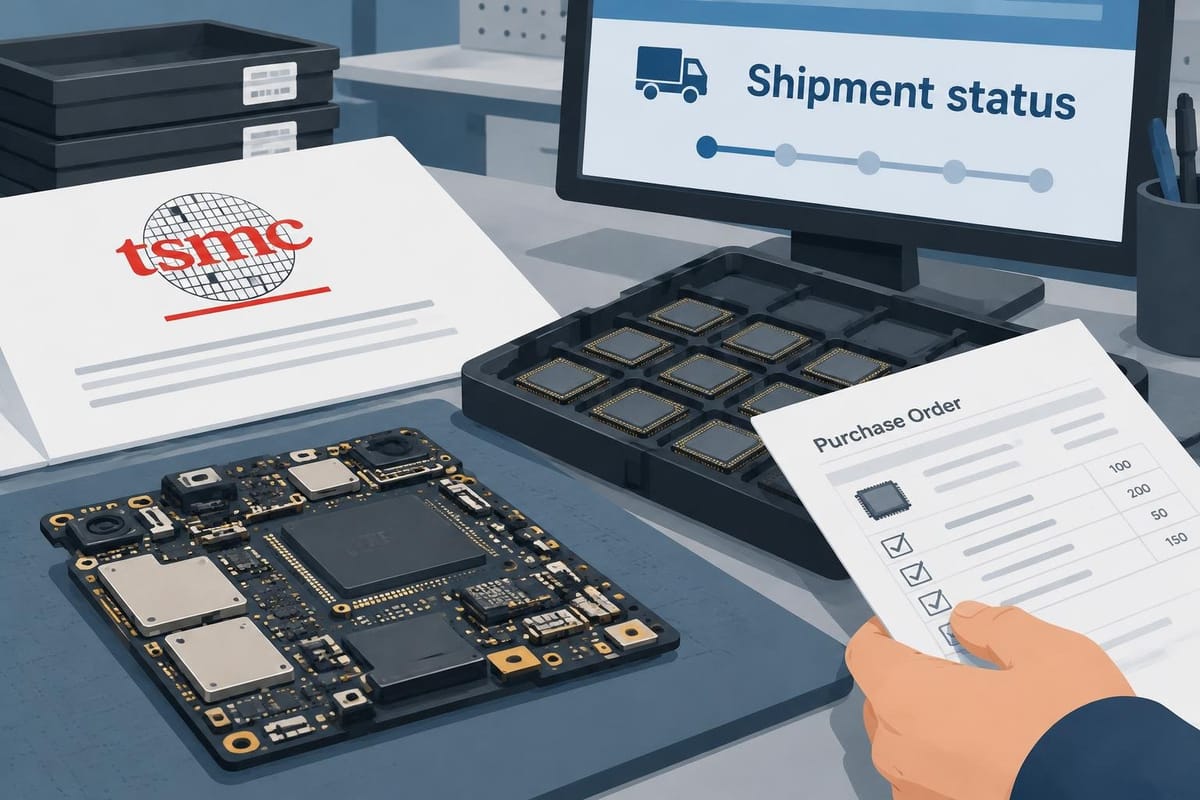
Nikkei Asia reported on November 20 that US export controls introduced the previous day are affecting chips for mobile and consumer applications as well as advanced AI processors. The report says TSMC has suspended some shipments and that developers outside China and outside AI are affected.
For hardware makers and procurement teams, the reported disruption means a supplier check should extend beyond AI accelerators. A system-on-chip used in a consumer product can be critical to a device’s production schedule even if the product has no connection to an AI data center.
Multiple industry executives told Nikkei that the controls’ impact on the global semiconductor supply chain was broader than initially expected. That is an industry warning about the reach of the measures, not evidence that all consumer chips are legally restricted or that finished products are already in short supply.
The specific provisions, covered transactions and effective dates remain unconfirmed; the relevant US rule text is needed to establish them.
Device makers should ask chip suppliers and contract manufacturers whether any parts or shipments are on hold, which orders are affected and when the supplier expects a decision. Procurement teams buying finished hardware can ask vendors whether delivery commitments have changed before revising purchasing schedules; a reported shipment suspension alone does not establish a shortage across a product category.



Comments ()