Lutnick sought narrower AI chip rules, Times reports
How a proposed remote-access rule overlaps with Cantor Fitzgerald’s data center ties, and what Commerce said about Lutnick’s role.
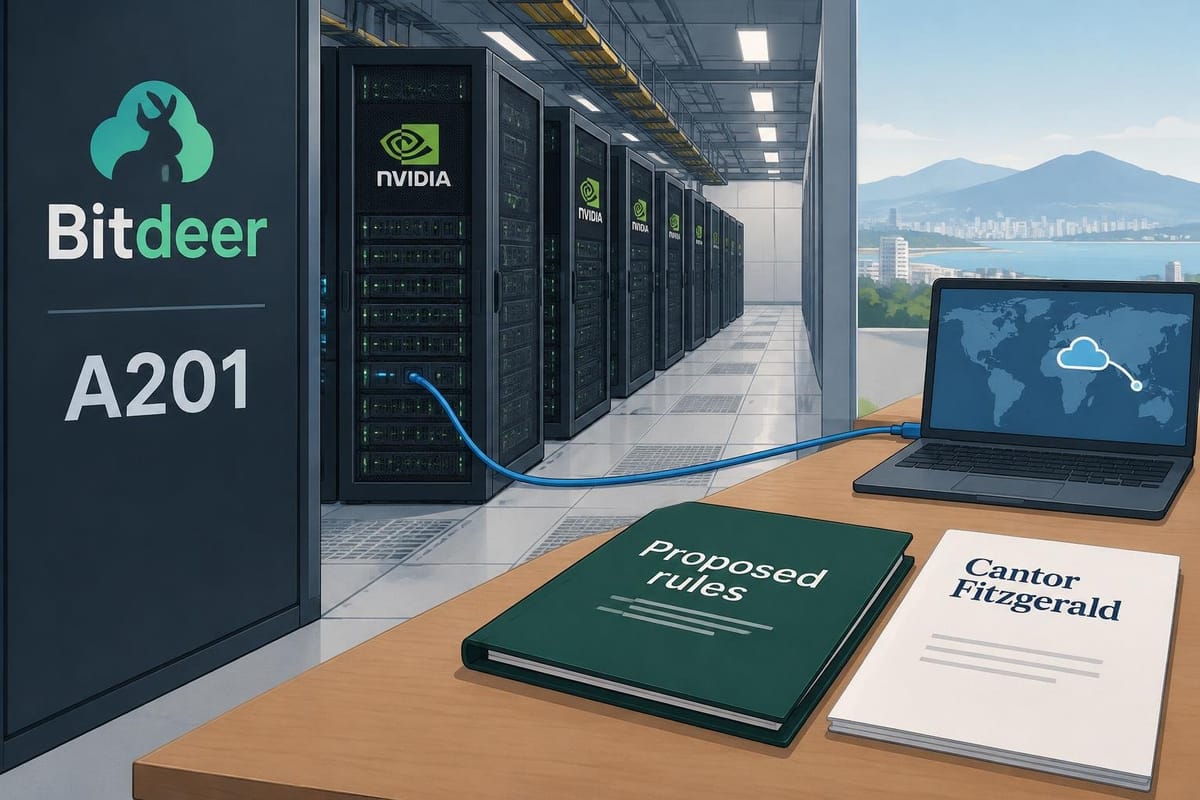
Commerce Secretary Howard Lutnick has advocated narrower restrictions on overseas access to advanced U.S. AI chips while his family’s financial firm has ties to data center operators that could be affected, The New York Times reported on Nov. 15. Among those ties, Cantor Fitzgerald was a sales agent for an offering of up to $1 billion this year by Singapore-based Bitdeer.
The proposed rules concern a route around U.S. limits on advanced chip sales to China: Chinese companies can rent computing power from data centers outside China rather than buy the chips themselves. A narrower rule could leave more of that business outside U.S. oversight, even as other administration officials seek broader controls, according to the Times.
The newspaper found no evidence that Cantor’s investments influenced Lutnick’s deliberations. The Commerce Department told the Times that he makes policy in the United States’ best interests and has complied with his ethics agreements. Cantor declined to comment, while Bitdeer did not respond to the newspaper’s request for comment.
The remote-access debate
The United States began restricting direct exports of advanced Nvidia chips to China in 2022, citing concerns that they could help Beijing develop weapons and crack encryption. The Biden administration later issued global rules aimed at restricting remote access to U.S. chips by Chinese companies; President Donald Trump revoked those rules, arguing they hindered business and innovation, the Times reported.
People familiar with the current discussions told the Times that Commerce has proposed covering seven countries: Singapore, Malaysia, Thailand, Indonesia, Brazil, South Africa and Norway. Others in the administration have sought global coverage. The Information first reported the proposal, according to the Times.
Commerce’s version would apply to future advanced-chip shipments, not data centers already equipped with U.S. technology. Operators would have to notify the government if Chinese customers used their facilities to train AI models, but would not automatically need a license. The department also argued for a higher computing-power threshold before the rules apply, which would bring fewer activities under regulation, the Times reported.
Chris McGuire, a Council on Foreign Relations senior fellow and former Biden administration official, told the newspaper that Chinese companies could rent capacity in countries outside the proposed list. Lutnick has argued against restrictions that would go too far in limiting U.S. companies such as Nvidia from selling in Asia, the Times reported.
Cantor’s data center connections
Bitdeer plans to operate a Malaysian data center called A201, due to open next year with Nvidia AI servers. The Times reported, citing a person familiar with the arrangement, that it would likely serve Chinese technology company Tencent. Bitdeer expects the facility to generate $1.7 billion in revenue over five years, according to a company statement cited by the newspaper.
Cantor’s relationship with Bitdeer dates at least to 2024, when it helped arrange a stock offering of up to $250 million, the Times reported. Cantor also holds an indirect Bitdeer stake through its investment in cryptocurrency company Tether. The paper described these dealings as a small part of Cantor’s overall business and noted that other large investors also finance overseas data centers.
Lutnick transferred his remaining Cantor ownership stake to his family by October 2025; his sons now run the firm. Before that transfer, a White House ethics waiver allowed him to take part in certain decisions that could directly and predictably affect Cantor, the Times reported. The paper said an ethics rule still bars him from using public office for the private gain of relatives or friends. It did not establish that he violated that rule. Commerce’s spokeswoman also said Lutnick does not discuss department matters with his sons, and they do not discuss Cantor business with him.



Comments ()